Windows 365: Building Design from Zero to One

Principal Product Design ManagerAugust – October 2021
LeadershipDesign SystemsProduct

I joined to lead design for Microsoft's zero-to-one cloud PC product. What I found was a team in need of direction—no shared mission, unclear ownership, and a product that needed polish. I built the culture, established the system, and shipped a product that exceeded expectations.

What I Did

  • Established team mission and design principles
  • Reorganized team around expertise areas
  • Built design system foundation (typography, color, components)
  • Created monthly design rhythm integrated with engineering
  • Designed core product experiences (home, onboarding, Cloud PC cards)

Outcomes

  • Hit subscription limit in 48 hours at launch
  • 64% ARR growth in year one
  • 1M+ launch video views
  • Named leader in Gartner Magic Quadrant

Are you a hiring manager short on time?

Get the quick highlights in a more visual format.

In 2020, Microsoft set out to put Windows in the cloud as a SaaS product. Windows 365 would let customers access a full Windows PC from any device, anywhere—no VDI expertise required.

I joined to lead design for this zero-to-one product. What I found was a team in need of direction. That's the challenge I'd been looking for.

Building a product and building a team are the same work. You can't ship great experiences without a team that has clarity, ownership, and shared purpose.

The Challenge

The design team had been pulled together from other projects with no shared mission. Designers were working on areas they weren't passionate about. The product organization lacked clear processes. Quality suffered from unclear ownership and shifting priorities.

Business problems were clear:

  • SMBs wanted clarity in pricing, easy device management, and familiar experiences
  • Enterprises needed quick access to custom devices and integration with existing management tools
  • The market was hungry for VDI without the overhead

Design problems were equally clear:

  • No design system foundation—what existed couldn't scale
  • Visual design lacked polish and consistency
  • Slow, cumbersome user experiences
  • Low quality from shifting priorities and unclear ownership
Original Windows 365 interface before redesign
The original Windows 365 home screen—functional, but lacking clarity and polish

My Approach

Listen First, Act Second

I didn't rush in with assumptions. I spent time with partners, the design team, and leadership to understand where the product stood and what the team actually needed. We studied competitors, our existing offering, and emerging VDI companies to understand the landscape we were competing in. That groundwork shaped everything that followed.

Build Team Culture Through Action

The first issue: no clear mission or principles to guide the work. The team felt lost. I ran a workshop to establish shared values and ways of working. We created team principles together—not handed down, but built as a group. That's how you create buy-in. I made sure to live those principles daily: sharing my own work in critiques, bringing partners together, running weekly standups to keep us aligned.

Create Ownership Through Organization

Our designers were excellent, but shifting priorities had them working outside their strengths. I reorganized based on expertise: End User Experiences—high-quality, simple experiences for people connecting to their Cloud PC; and Enterprise Service Management—complex workflows requiring strong interaction design and tight partnerships across teams. Clear ownership gave designers the clarity to do their best work.

Establish Process Where None Existed

The product team was thrilled to have design support but lacked clear working processes. I drafted a monthly design rhythm of business to set priority, clarify work in progress, and align with the broader team's cadence. We integrated our design process into Azure DevOps and moved to a monthly ship cadence. This reduced friction and kept everyone moving together.

Raising the Quality Bar

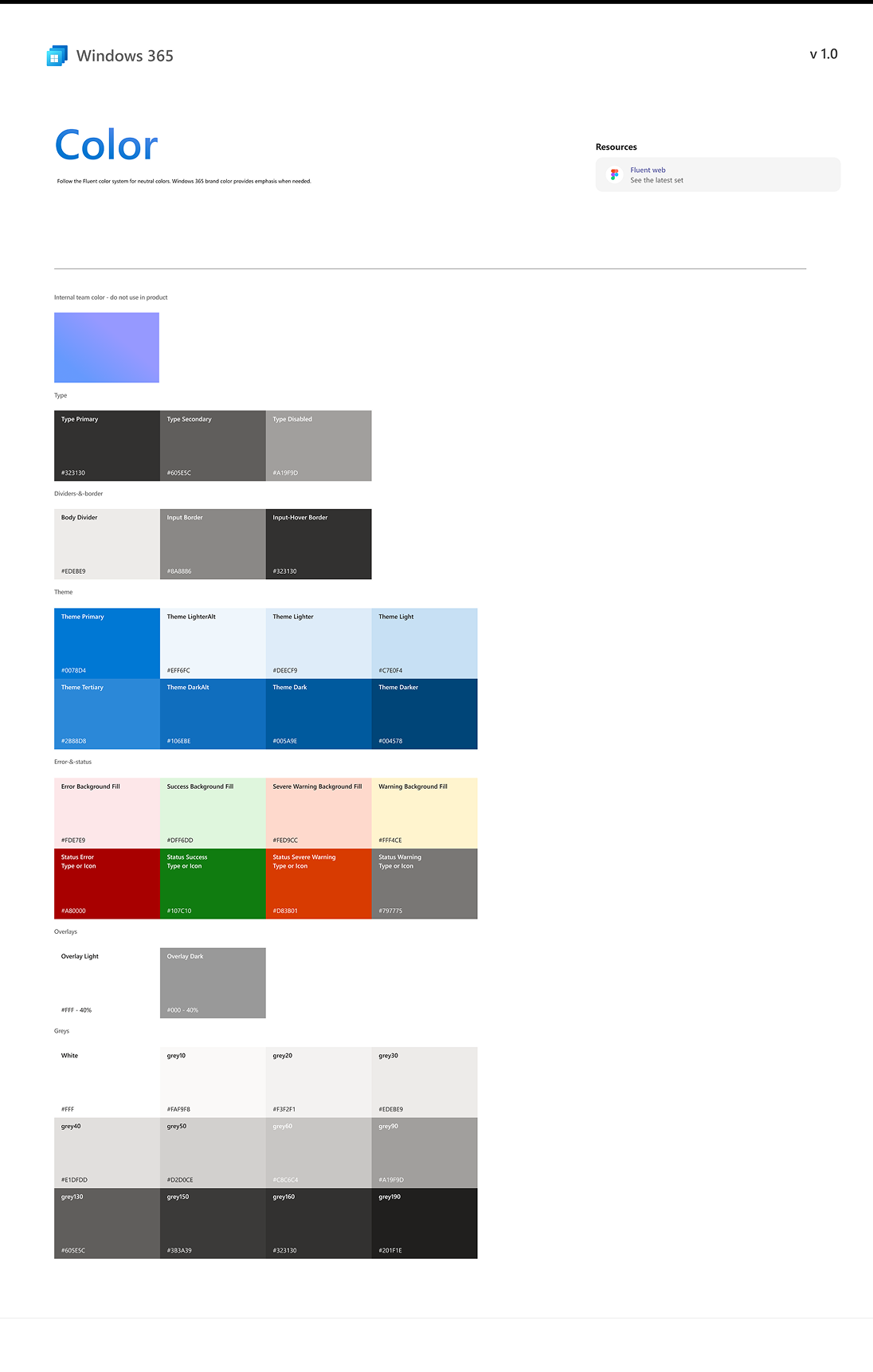
Because our team was small, I stepped in directly to build out the design system foundation. We focused on the basics that would enable growth: typography, whitespace, hierarchy, color, and grid.
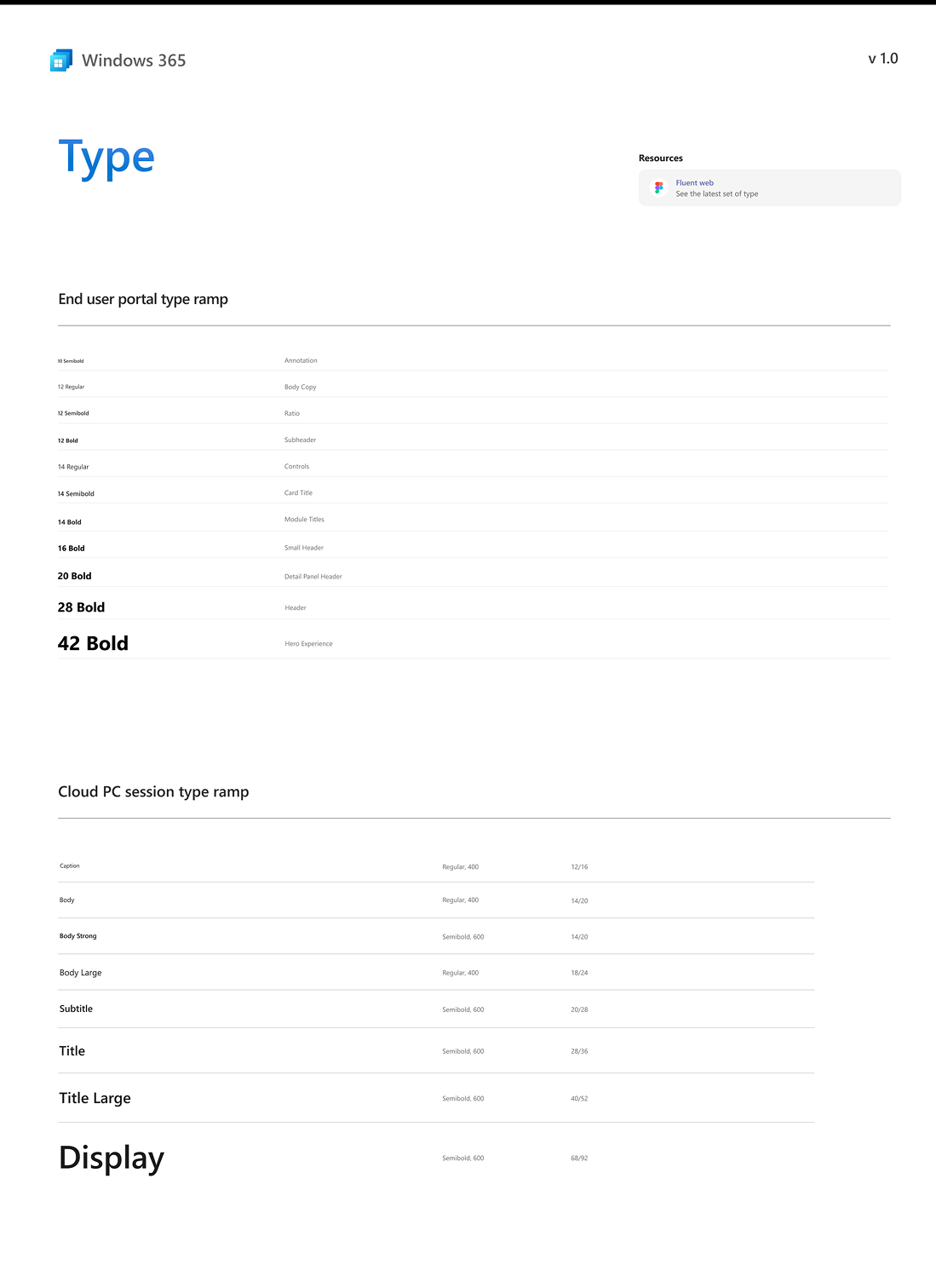
Windows 365 typography system
Typography system—establishing hierarchy and consistency
Windows 365 color palette
Color system—accessible and scalable palette

Beyond foundations, we built core components: Cloud PC cards, quick actions, left navigation, dialogs, error states, list controls, and illustration style. Every element was designed to scale.
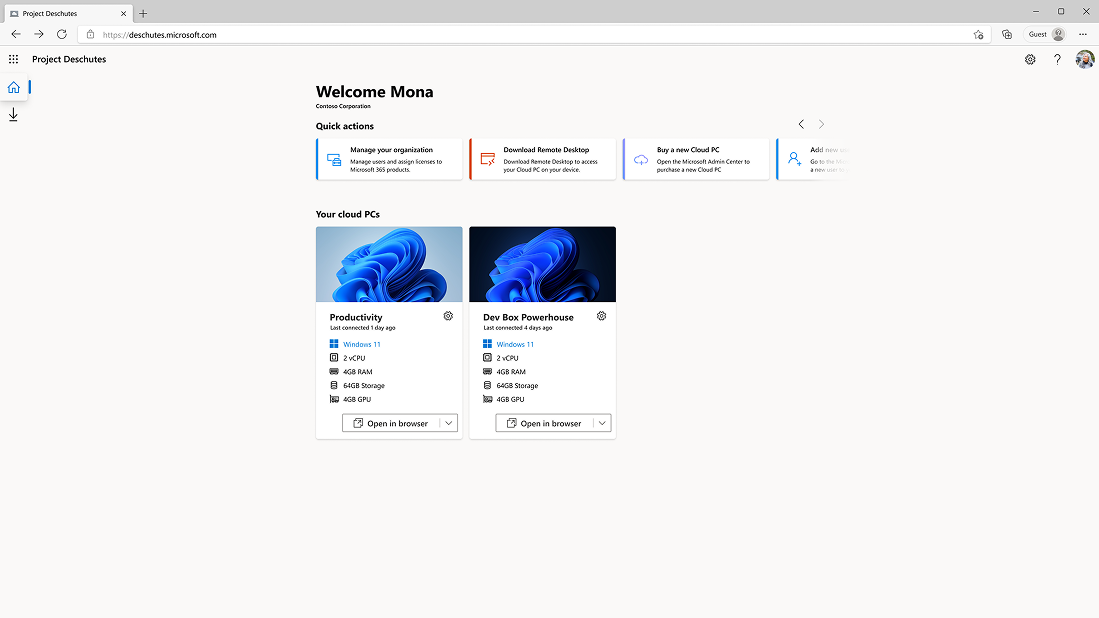
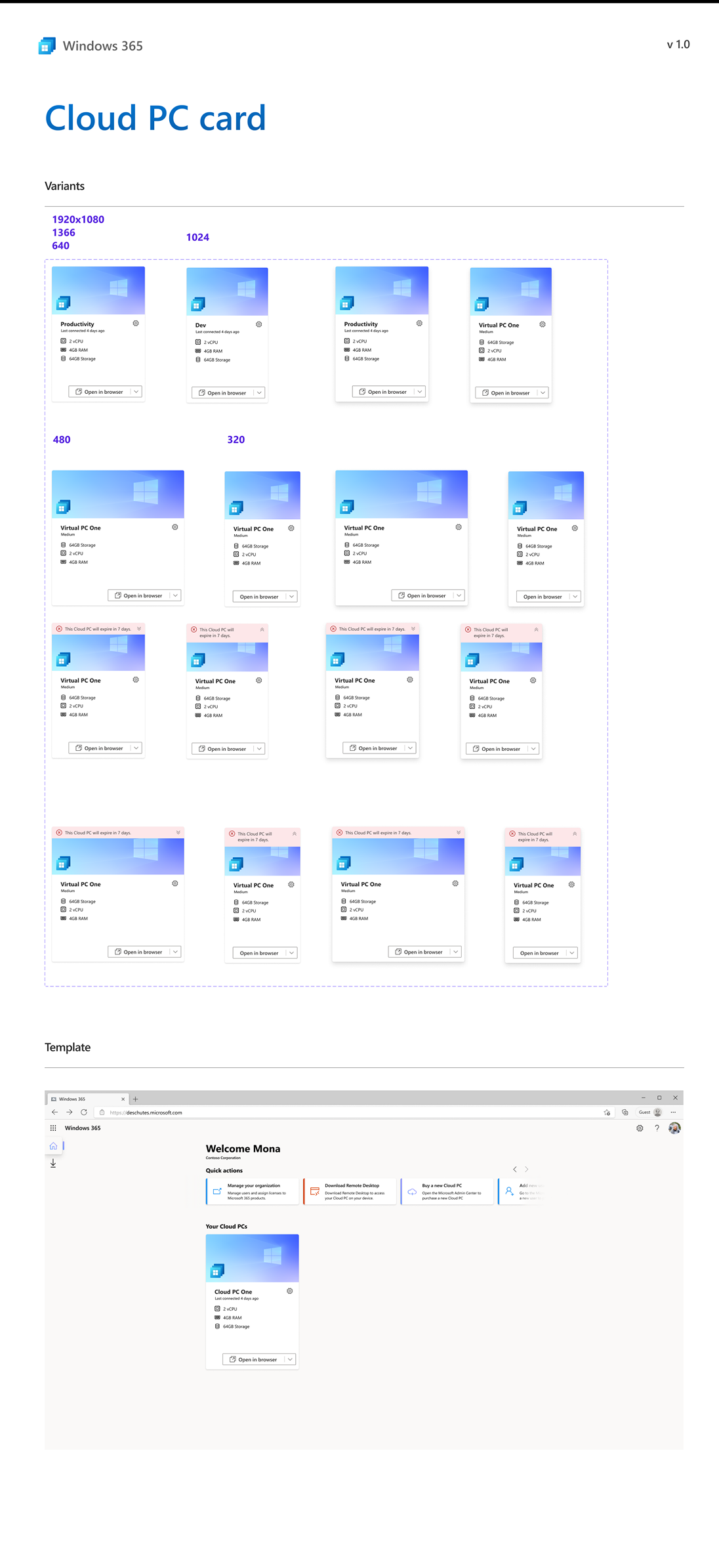
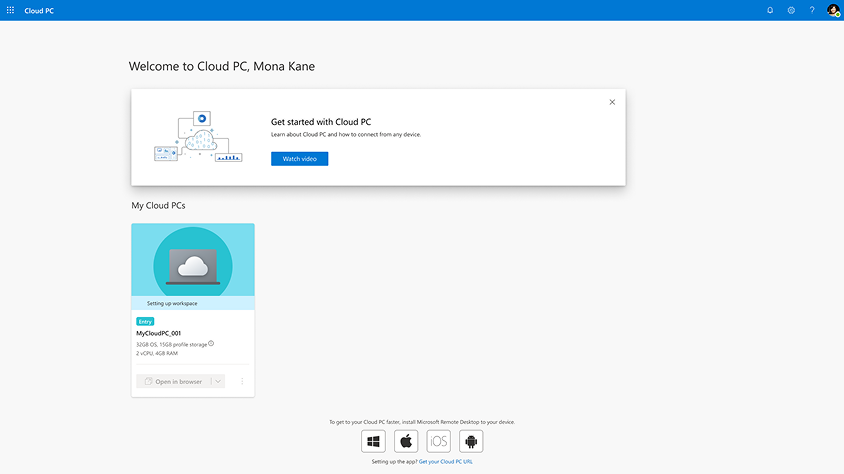
Updated Windows 365 home screen
The redesigned home screen—cleaner hierarchy, clearer actions
New Cloud PC card design
The new Cloud PC card—more informative, better organized
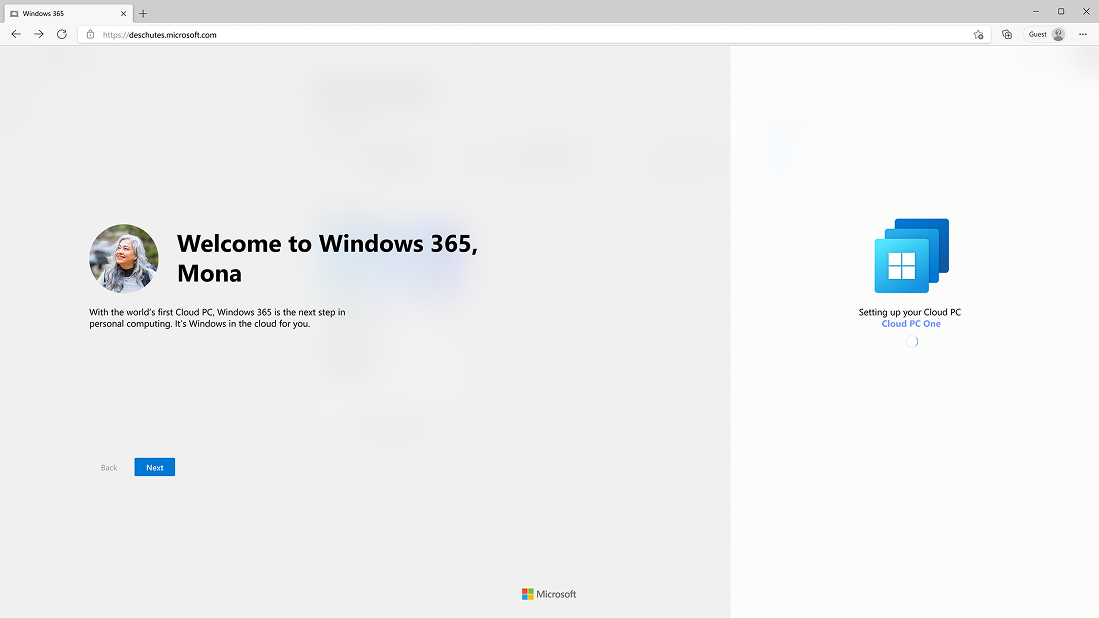
Windows 365 welcome experience
The welcome experience—a user's first impression of their Cloud PC

The Outcome

We shipped new processes and design direction in 3 months. Windows 365 released to General Availability in August 2021.

We hit our subscription limit in the first 48 hours—customers loved the simplicity.
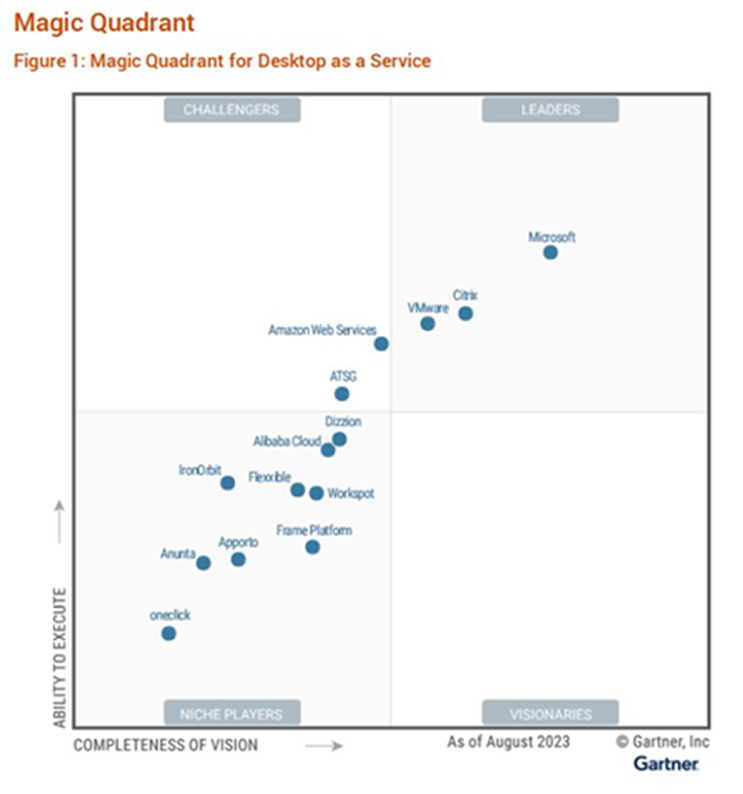
Gartner Magic Quadrant showing Microsoft as a leader
Named leader in Gartner's Device as a Service Magic Quadrant
48 hrsHit subscription limit
64%ARR growth in year one
1M+Launch video views

What people said:

"Windows 365 capabilities allow you to get the same benefits of virtual desktops, as far as scalability and security, without the overhead of a more complex solution."

— Shannon Kalvar, IDC

"This offering could potentially be the breakthrough for VDI and desktops-as-a-service, which have a lot of promise for the future of work."

— Holger Mueller, Constellation

"Game changer... the future of Windows is here."

— Rob Enderle

What I Learned

01

Slow down to speed up.

Taking time to listen, understand, and build foundations paid dividends. Rushing to ship without clarity would have cost us more in rework and confusion.
02

Culture gets built in the day-to-day.

Team principles only matter if you live them. I made sure to model the behavior I wanted to see—sharing work, taking feedback, staying hands-on.
03

Ownership enables quality.

Designers do their best work when they have clear ownership in areas they care about. Organizing around expertise unlocked the team's potential.
04

Process reduces friction, not creativity.

A clear rhythm of business and integration with engineering tools meant less time in meetings and more time doing the work.